Confidence is one of the most important factors in a student’s success. When students believe in themselves, they are more willing to participate, solve problems, ask questions, and take on new challenges. However, many students struggle with self-doubt and fear of failure. Because of this, schools must create learning environments that encourage growth, motivation, and self-belief.
Chris Bressi believes helping students build confidence in learning is essential for both academic and personal success. Strong confidence allows students to become more engaged, resilient, and prepared for future opportunities. Education should not only focus on grades but also on helping students believe in their own abilities.
As modern classrooms continue evolving, building student confidence has become more important than ever.
Why Confidence Matters in Learning
Confidence affects how students approach education. Students who feel confident are more likely to participate in class discussions, try difficult tasks, and stay motivated when challenges appear.
In contrast, students with low confidence may hesitate to speak up, avoid difficult assignments, or feel discouraged by mistakes.
When students develop confidence, they often become stronger learners. They begin trusting their abilities and feel more comfortable exploring new ideas.
Chris Bressi supports educational environments where students feel encouraged to learn without fear of judgment.
Creating Positive Learning Environments
A supportive classroom environment plays a major role in building confidence.
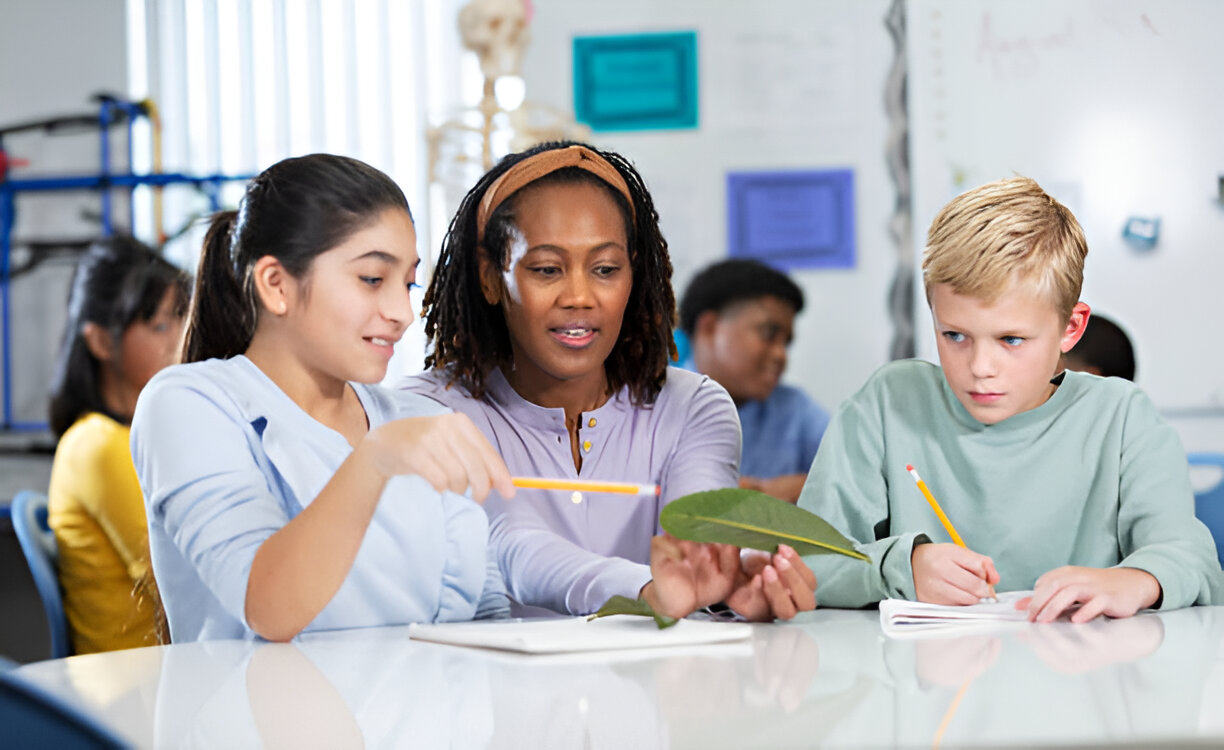
Students perform better when they feel respected, safe, and valued. Teachers who encourage participation and celebrate improvement often help students feel more comfortable learning.
Positive classroom experiences can make a lasting difference.
Instead of focusing only on mistakes, educators can highlight progress and effort. Even small achievements can help students feel more capable over time.
This positive reinforcement often increases motivation and classroom participation.
Encouraging a Growth Mindset
Many students believe success means getting everything right immediately. However, learning often involves mistakes and challenges.
A growth mindset teaches students that abilities improve through effort, practice, and persistence.
Instead of viewing mistakes as failures, students learn to see them as opportunities for improvement.
Chris Bressi encourages educational approaches that help students understand growth takes time and learning is a process.
Students who develop this mindset often become more resilient and willing to try new things.
Helping Students Set Achievable Goals
Goal setting can improve confidence because students experience success step by step.
Large academic challenges may feel overwhelming. Therefore, teachers can help students break goals into smaller and more manageable tasks.
For example, a student struggling with writing might focus first on sentence structure before moving to larger assignments.
Small accomplishments often build motivation and confidence over time.
Students who reach goals begin believing in their ability to succeed.
Supporting Student Participation
Students gain confidence when they feel comfortable sharing ideas and participating in learning activities.
Class discussions, presentations, group projects, and collaborative exercises help students practice communication and leadership skills.
Teachers should create opportunities for all students to participate, including quieter learners.
Supportive feedback is equally important. Encouragement helps students feel comfortable trying again even if mistakes happen.
When students feel heard and respected, confidence often grows naturally.
The Role of Interactive Learning
Interactive learning methods can also strengthen confidence.
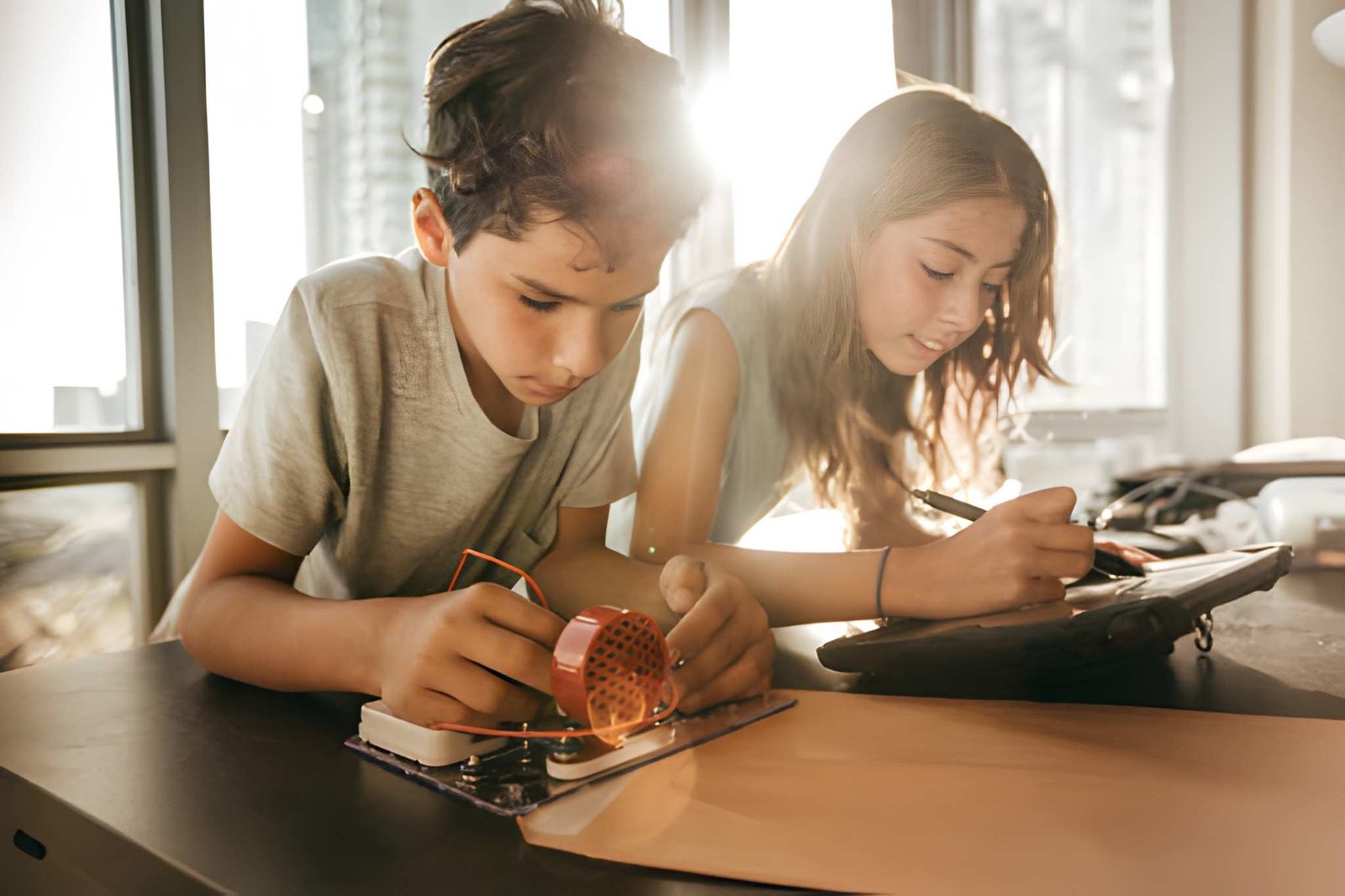
Hands-on activities, educational technology, creative projects, and problem-solving exercises make learning more engaging.
Students often feel more confident when learning feels enjoyable and practical.
Interactive classrooms allow students to explore strengths that traditional teaching methods may not always recognize.
Chris Bressi supports innovative educational approaches that increase engagement and encourage active participation.
Building Strong Communication Skills
Confidence often improves when students feel comfortable expressing themselves.
Schools can help students develop communication skills through teamwork, classroom discussions, presentations, and collaborative activities.
Students who practice speaking, listening, and sharing ideas often feel more confident in social and academic settings.
Strong communication skills also prepare students for future careers and leadership opportunities.
Providing Emotional Support
Student confidence is closely connected to emotional well-being.
Stress, anxiety, and fear of failure can negatively affect academic performance. Therefore, schools should create supportive environments where students feel understood and encouraged.
Teachers and school counselors can help students manage challenges through positive communication and emotional guidance.
When students feel emotionally supported, they are often more willing to participate and take risks in learning.
Encouraging Independent Learning
Confidence grows when students develop independence.
Allowing students to make decisions, solve problems, and take responsibility for assignments helps them feel capable and trusted.
Independent learning teaches responsibility and problem-solving skills.
Students gain confidence when they realize they can overcome challenges on their own.
This sense of achievement often encourages lifelong learning habits.
Celebrating Individual Strengths
Every student learns differently and has unique abilities.
Some students excel in academics, while others shine through creativity, teamwork, leadership, or problem-solving.
Schools should recognize many forms of achievement.
Celebrating individual strengths helps students feel valued and respected.
This positive recognition often encourages confidence in other areas of learning as well.
The Role of Families in Student Confidence
Families also influence student confidence.
Encouragement at home helps students feel supported in their educational journey. Parents who celebrate effort and support learning goals often help children build stronger self-belief.
Open communication between schools and families creates a consistent support system for students.
When students receive encouragement both at home and school, confidence grows more naturally.
Preparing Students for Future Success
Confidence is valuable beyond the classroom.
Students who believe in themselves are often more willing to take opportunities, solve problems, and adapt to challenges.
Confidence supports leadership, communication, teamwork, and decision-making skills that are important for higher education and future careers.
Educational perspectives shared by Chris Bressi often highlight the importance of supporting both academic success and personal growth.
Chris Bressi on helping students build confidence in learning highlights an important truth: confident students often become more successful learners.
By creating supportive environments, encouraging growth mindsets, celebrating strengths, and helping students overcome challenges, schools can build stronger confidence in every learner.
As education continues changing, confidence will remain one of the most valuable tools students can develop for lifelong success.
When students believe in themselves, they are more prepared to learn, grow, and achieve their goals.