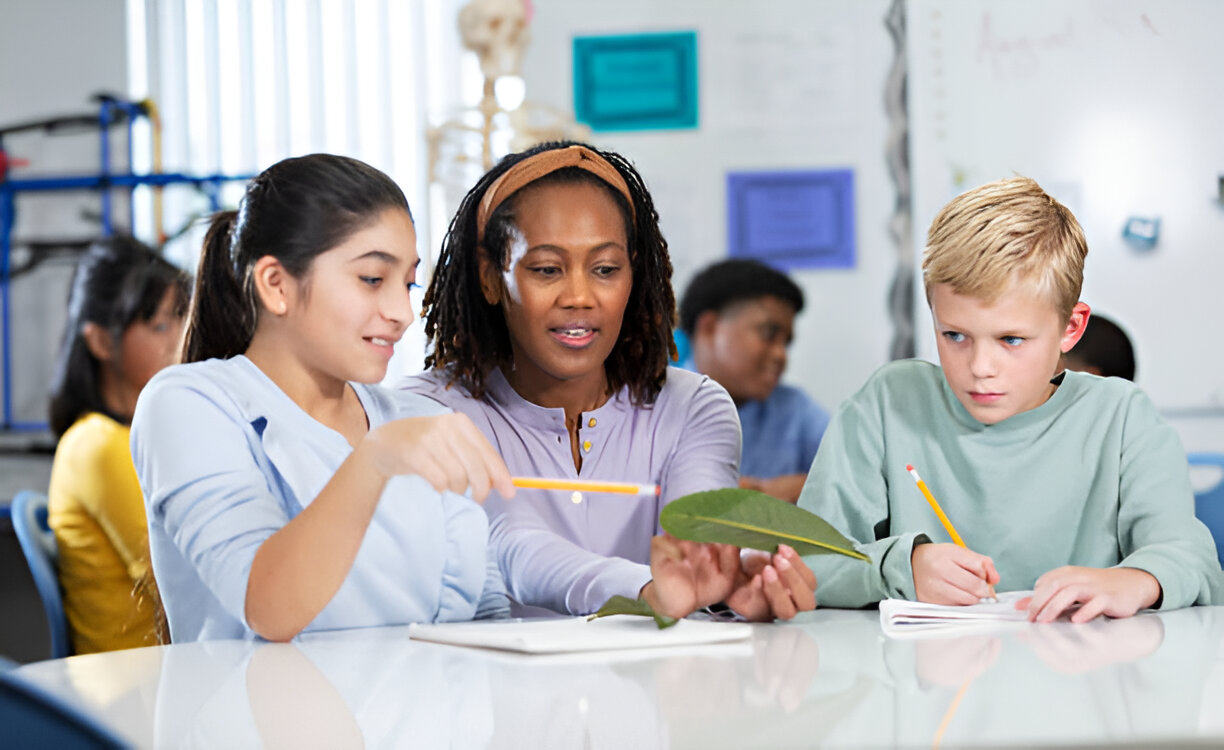

Confidence is one of the most important outcomes of education, yet it is often overlooked. Academic achievement matters, but without confidence, students struggle to take risks, express ideas, and believe in their ability to succeed. According to Chris Bressi, future-focused education plays a critical role in helping students develop the confidence they need to thrive in school and beyond.
Future-focused education goes beyond memorization and testing. It prepares students for real-world challenges while supporting emotional growth, adaptability, and self-belief.
What Is Future-Focused Education
Future-focused education is designed around the skills students need for a rapidly changing world. It emphasizes critical thinking, creativity, collaboration, and digital literacy. Rather than relying solely on traditional instruction, it encourages active learning and problem-solving.
Chris Bressi explains that when students understand why they are learning something and how it applies to real life, their confidence naturally grows. Learning becomes meaningful, not intimidating.
This approach also recognizes that confidence develops through experience, reflection, and support.
The Connection Between Confidence and Learning
Confident students are more likely to participate, ask questions, and persist through challenges. They view mistakes as opportunities to learn rather than signs of failure.
Chris Bressi highlights that confidence is not about being perfect. It is about feeling capable and supported. Future-focused classrooms create environments where students feel safe to explore ideas and take academic risks.
As a result, learning becomes a process rather than a performance.
Student-Centered Learning Builds Self-Belief
Student-centered learning is a core element of future-focused education. This approach gives students more voice and choice in how they learn.
Chris Bressi advocates for classrooms where students can:
-
Set personal learning goals
-
Choose from multiple ways to demonstrate understanding
-
Collaborate with peers
-
Reflect on progress and growth
When students have ownership over their learning, they develop a stronger sense of agency. This ownership directly contributes to confidence because students see themselves as capable learners rather than passive recipients of information.
Teaching Skills That Matter Beyond the Classroom
Future-focused education emphasizes transferable skills that extend beyond academics. Skills such as communication, problem-solving, and adaptability help students feel prepared for life after school.
According to Chris Bressi, confidence grows when students practice these skills in authentic contexts. Project-based learning, real-world challenges, and collaborative activities allow students to apply knowledge in meaningful ways.
These experiences show students that they can navigate complexity and uncertainty, which strengthens self-confidence.
The Role of Technology in Building Confidence
ccc
Chris Bressi emphasizes that technology should empower students, not overwhelm them. Adaptive platforms help students work at their own pace, reducing anxiety and frustration.
When students experience success through personalized support, they gain confidence in their abilities and develop a positive relationship with learning.
Supportive Relationships Matter
Confidence does not develop in isolation. Strong relationships between students, teachers, and peers are essential.
Chris Bressi believes future-focused education prioritizes connection. Teachers act as mentors and guides, offering encouragement and constructive feedback. This support helps students feel valued and understood.
When students trust their educators, they are more willing to take risks and engage deeply with learning.
Creating Inclusive Learning Environments
Equity and inclusion are critical to building confidence for all students. Future-focused education acknowledges diverse backgrounds, learning styles, and strengths.
Chris Bressi stresses that inclusive classrooms ensure every student feels seen and respected. Flexible instruction, culturally responsive teaching, and accessible resources help remove barriers to confidence.
When students feel included, they are more likely to believe in their potential.
Preparing Students for an Uncertain Future
The future is unpredictable, and confidence helps students navigate change. Future-focused education prepares learners to adapt, learn continuously, and face challenges with resilience.
Chris Bressi explains that confidence comes from knowing how to learn, not just what to learn. When students develop curiosity and problem-solving skills, they feel capable of handling new situations.
This mindset supports lifelong learning and long-term success.
Conclusion
Future-focused education plays a powerful role in building student confidence. By emphasizing student-centered learning, real-world skills, supportive relationships, and thoughtful use of technology, schools create environments where students believe in themselves.
Chris Bressi’s insights remind educators that confidence is not a bonus outcome. It is a foundation for meaningful learning and personal growth. When schools focus on the future with purpose and compassion, they help students develop the confidence to succeed in school and in life.