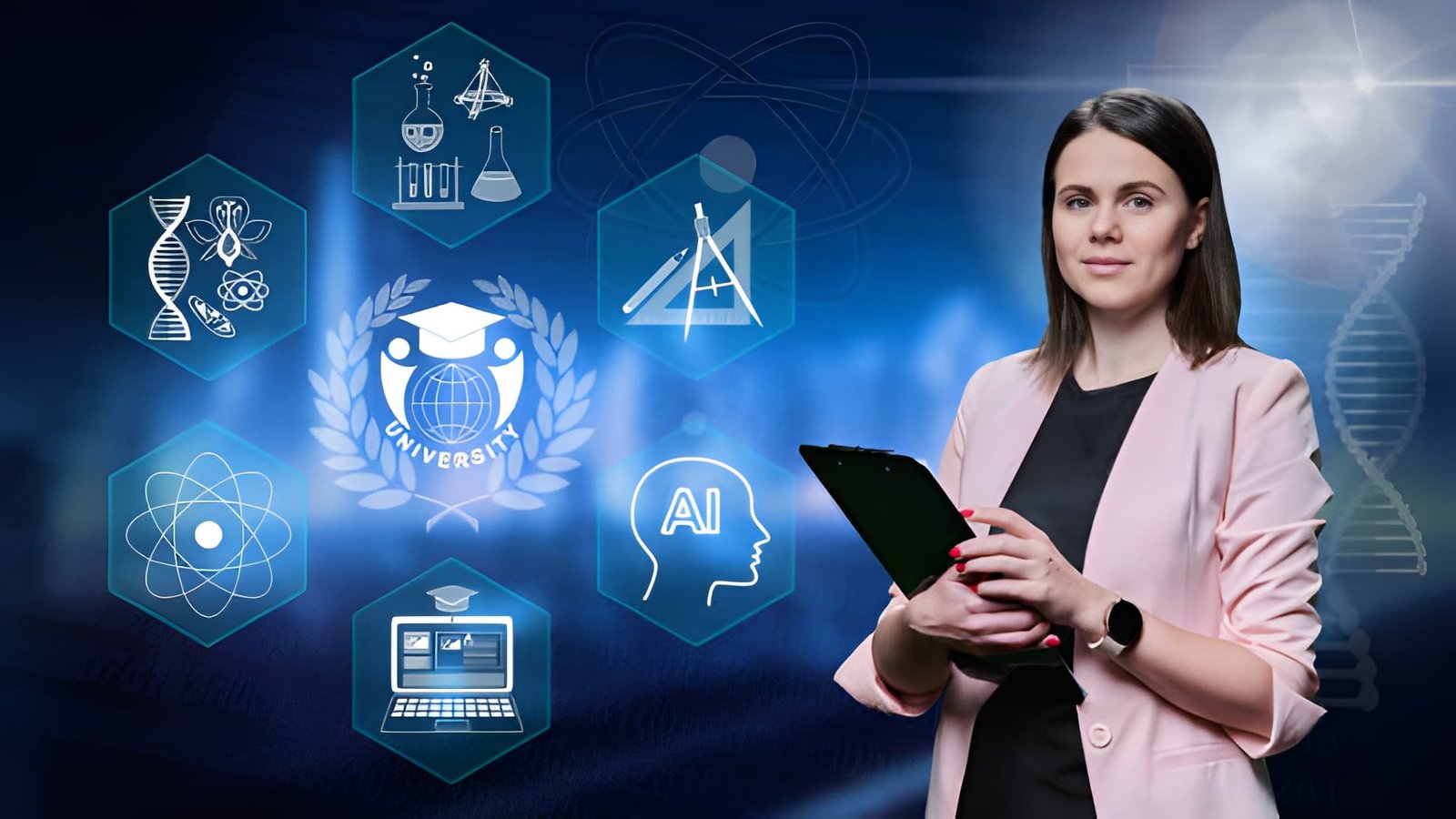
Education continues to evolve as technology, digital learning, and modern teaching approaches reshape how students learn and how institutions operate. Educational organizations must adapt to changing expectations while creating meaningful learning experiences. Chris Bressi highlights the importance of innovative thinking, practical consulting strategies, and technology-driven solutions in supporting educational development.
Modern education is about more than traditional classroom instruction. It involves creating opportunities for collaboration, encouraging creativity, improving accessibility, and preparing students for future challenges. With the right strategies, educational institutions can build stronger learning environments and support continuous improvement.
Understanding the Changing Landscape of Education
The education sector is experiencing significant changes. Digital platforms, interactive learning resources, artificial intelligence, and online educational tools are influencing how knowledge is delivered and understood.
Chris Bressi recognizes the importance of adapting to these developments. Educational institutions need flexible approaches that support different learning styles and encourage students to participate actively.
Modern educational strategies can help institutions:
- Improve student engagement and participation.
- Introduce effective digital learning solutions.
- Encourage collaboration between educators and students.
- Strengthen communication and knowledge sharing.
- Create adaptable learning environments.
These improvements can help educational organizations respond to new challenges while maintaining a strong focus on learning quality.
The Importance of Technology in Modern Learning
Technology has become an important part of contemporary education. Digital classrooms, learning management systems, educational applications, and virtual resources provide new opportunities for teaching and learning.
Christopher Bressi emphasizes the value of exploring practical technology solutions that align with educational goals. However, introducing technology should involve more than purchasing new tools. Institutions must understand how digital resources can improve learning experiences.
For example, interactive learning platforms can encourage participation, while digital assessment tools can help educators understand student progress. Online collaboration tools can also connect students and teachers beyond traditional classroom boundaries.
When implemented thoughtfully, technology can make educational experiences more accessible, flexible, and engaging.
Developing Innovative Educational Strategies
Innovation plays an important role in creating effective learning environments. Traditional teaching methods may not always address the needs of modern students. Educational institutions can benefit from exploring creative approaches that encourage curiosity and independent thinking.
Chris Bressi supports the importance of practical strategies that connect educational objectives with modern learning opportunities.
Some useful approaches include:
1. Interactive Learning: Encourage students to participate through discussions, projects, presentations, and digital activities.
2. Personalized Education: Recognize that students have different interests, abilities, and learning preferences.
3. Collaborative Projects: Create opportunities for students to exchange ideas and develop problem-solving skills.
4. Digital Resources: Introduce appropriate educational platforms that support classroom instruction.
5. Continuous Evaluation: Review learning approaches regularly and identify opportunities for improvement.
These strategies can help educational institutions develop more engaging and adaptable learning environments.
Supporting Educators Through Digital Transformation
Teachers and educational professionals play an essential role in successful learning environments. As educational technology develops, educators need opportunities to understand new tools and incorporate them into their teaching practices.
Christopher Bressi highlights the importance of combining professional development with practical digital learning strategies.
Training programs, technology workshops, and collaborative learning opportunities can help educators become more confident when using modern educational resources.
Digital transformation should also consider the everyday challenges educators experience. Solutions should be practical, accessible, and aligned with institutional priorities.
Building Stronger Educational Organizations
Successful educational development requires more than individual improvements. Institutions need clear objectives, effective communication, and a shared commitment to progress.
Chris Bressi recognizes the importance of structured planning and continuous improvement in supporting organizational development.
Educational organizations can strengthen their operations by reviewing existing processes, identifying areas that need attention, and developing realistic improvement strategies.
Encouraging collaboration among administrators, teachers, students, and other stakeholders can also create a stronger foundation for long-term progress.
The Growing Role of Artificial Intelligence in Education
Artificial intelligence is creating new possibilities for educational institutions. AI-powered learning applications can support personalized learning, provide educational recommendations, and help educators organize certain administrative tasks.
However, responsible implementation is essential. Educational organizations should consider data privacy, accuracy, accessibility, and the importance of human guidance.
Chris Bressi recognizes that technology should complement educators rather than replace the valuable role they play in student development.
A balanced approach to AI can help institutions explore innovation while maintaining meaningful educational relationships.
Looking Ahead: Creating Opportunities for Educational Growth
The future of education will continue to involve technological advancement, changing student expectations, and new approaches to knowledge sharing.
Institutions that embrace thoughtful innovation can become better prepared to respond to these changes.
Christopher Bressi emphasizes the importance of remaining open to new ideas, evaluating emerging technologies, and developing strategies that support meaningful educational progress.
By focusing on collaboration, digital transformation, and continuous improvement, educational organizations can create stronger foundations for future success.
Conclusion
Education requires ongoing development, creative thinking, and practical solutions. From digital learning platforms to innovative teaching strategies, institutions have many opportunities to improve how they deliver educational experiences.
Chris Bressi highlights the value of modern consulting approaches that encourage innovation, support educators, and strengthen educational organizations.
With thoughtful planning and a commitment to continuous improvement, educational institutions can create learning environments that meet today’s needs while preparing for tomorrow’s opportunities.
Frequently Asked Questions
1. Who is Chris Bressi?
Chris Bressi is a name associated with consulting-focused discussions around education, technology, innovation, and organizational development.
2. Why is educational consulting important?
Educational consulting can help institutions identify challenges, explore practical solutions, improve processes, and develop strategies for long-term growth.
3. How does technology improve modern education?
Technology can support interactive learning, improve access to educational resources, encourage collaboration, and provide flexible learning opportunities.
4. What role does AI play in education?
AI can support personalized learning, educational recommendations, content development, and administrative efficiency when implemented responsibly.
5. Why is continuous improvement important for educational institutions?
Continuous improvement helps institutions evaluate their approaches, respond to changing needs, and create better learning experiences.